
Each year, millions of dollars in FTC enforcement refunds go unclaimed by the consumers they’re meant to help. While claims about the exact amount vary—some sources cite $500 million annually—official FTC data from 2024-2025 shows the agency returned $337.3 million to consumers in that period alone, with a significant portion remaining uncashed. The challenge isn’t that the FTC isn’t sending refunds; it’s that people don’t always realize the money is coming to them, don’t recognize where it’s from, or don’t know how to claim it. For example, when the FTC secured a $99.3 million settlement against Benefytt Technologies for deceptive health plan practices in 2024, many eligible consumers never contacted the claims administrator to receive their portion of the refund.
The real problem lies in the disconnect between how refunds are issued and how recipients find out about them. The FTC doesn’t always distribute refunds directly—instead, it works with third-party claims administrators like Rust Consulting and Analytics to handle the process. Without obvious FTC branding or clear communication about why a check arrived, many consumers either ignore the payment, assume it’s spam, or simply don’t connect the dots that they’re owed money from a settlement case. Understanding which refunds are actually available, how they’re distributed, and why so many go unclaimed is essential for anyone who’s been harmed by fraud or deceptive business practices. If you’ve dealt with a scam, been charged unfairly, or suspect you’re part of a settlement, unclaimed FTC refunds could be waiting in your name.
Table of Contents
- How Much Are Actually Unclaimed FTC Enforcement Refunds?
- Why Do FTC Refunds Go Unclaimed?
- The Real Scale of FTC Refunds in Recent Years
- How to Find and Claim FTC Refunds
- Common Pitfalls and Limitations in Claiming FTC Refunds
- Real-World Examples of Unclaimed FTC Refunds
- The Future of FTC Refunds and Preventing Unclaimed Money
- Conclusion
How Much Are Actually Unclaimed FTC Enforcement Refunds?
The specific “$500 million unclaimed annually” figure that circulates online is difficult to verify from official sources. However, the FTC’s own data confirms the problem is significant. In 2024, the FTC returned $337.3 million to consumers—with $280.7 million coming directly from FTC enforcement actions—yet participation rates in refund programs typically hover around 59 percent. This means roughly 40 percent of eligible recipients don’t cash their refunds. If we apply that participation gap to recent refund programs, unclaimed amounts do reach substantial figures, though the exact number depends on which cases are included in the calculation.
The variation in claims about unclaimed refunds reflects the challenge of tracking money across multiple settlements, claims administrators, and fiscal years. Some figures might include unclaimed refunds sitting in state treasuries as escheat, while others focus solely on FTC-administered programs. What’s certain is that in 2024 alone, millions of dollars remained uncashed. The FTC reported that 3.1 million people actually received payments that year, but the total pool of eligible consumers was much larger. The reason the numbers are hard to pin down is that the FTC doesn’t publish a comprehensive public report specifically titled “unclaimed refunds”—instead, you have to piece together data from individual settlement announcements and annual reports. This transparency gap itself contributes to the problem: if the true scope of unclaimed money were clearer, more people might search for refunds owed to them.

Why Do FTC Refunds Go Unclaimed?
Several practical and communication barriers prevent eligible consumers from claiming the refunds they’re owed. First, the checks or payments arrive from unfamiliar third-party administrators rather than directly from the FTC. A check from “Rust Consulting” or “Analytics” doesn’t immediately signal to most people that it’s part of a fraud settlement they were involved in. Many recipients mistake these payments for marketing mail, unsolicited checks, or potential scams—the irony being that they throw away legitimate refunds. Second, address databases used by claims administrators aren’t perfect. The FTC does conduct address searches to locate consumers and reissue uncashed checks, but people move, change names, or have outdated contact information on file.
A significant portion of eligible recipients simply never receive notification in the first place. This is especially true for cases that took years to settle and litigate; by the time refunds are issued, current contact information may be stale. Third, and perhaps most critically, consumers often don’t know they’re eligible. Fraud cases and deceptive practice settlements don’t always get widespread media coverage. If you fell victim to an unlawful scheme—say, being charged for canceled subscriptions or tricked into buying ineffective products—you might not realize a class action settlement ever resolved your case. Without knowing to look, you won’t go searching for a refund.
The Real Scale of FTC Refunds in Recent Years
To understand unclaimed FTC refunds, it helps to look at concrete recent examples. In 2024, the FTC returned $337.3 million to consumers across multiple cases. Beyond the Benefytt Technologies settlement ($99.3 million), the FTC also recovered $72 million for unauthorized in-game purchases from Epic Games, refunding millions of consumers who were charged without permission. Each of these cases has unclaimed components—people who simply never followed up or never knew the refund existed. Comparing this to prior years, the FTC’s enforcement activity has grown more aggressive.
In previous years, annual refund totals were sometimes lower, but the pattern of unclaimed money remained constant. The FTC itself acknowledges that millions go unclaimed each year, though pinpointing an exact figure requires combining data from multiple sources and accounting for cases still in claims periods. One important limitation: not all unclaimed money stays unclaimed forever. The FTC does conduct follow-up searches and can issue replacement checks. After a certain period (usually a few years), unclaimed settlement funds may eventually transfer to state treasuries as unclaimed property or escheat funds. This means some of that money doesn’t simply vanish—it exists in state hands—but individual consumers lose direct access and must navigate state unclaimed property processes instead.

How to Find and Claim FTC Refunds
If you suspect you’re owed an FTC refund, the first step is visiting FTC.gov/enforcement/ftc-refund-programs and using their searchable database of ongoing and past refund programs. You can search by the company name that defrauded you (for example, “Epic Games” or “Benefytt Technologies”) to find active claims periods and instructions for filing. The FTC also maintains a list of claims administrators handling different settlements, so you’ll know exactly which organization to contact. For each active refund program, there’s typically a deadline to file a claim. Missing these deadlines means you forfeit your refund. Unlike unclaimed property, where state treasurer offices hold funds indefinitely, FTC settlement claims periods are finite.
This creates urgency: if you find a refund you’re eligible for, don’t delay in submitting documentation. You’ll generally need to provide evidence you were a victim (like a purchase receipt or account information) and your current payment details. The tradeoff is between speed and certainty. Filing early ensures you don’t miss a deadline, but you’ll need documentation to prove your claim. If you no longer have proof of purchase from years ago, you may struggle to verify eligibility. Some claims administrators accept bank statements, credit card records, or even testimony about when and how you were charged, but standards vary. Contact the administrator directly to understand what evidence they’ll accept.
Common Pitfalls and Limitations in Claiming FTC Refunds
One major limitation: FTC refunds are typically capped or divided among all eligible claimants. If a settlement recovered $10 million but there are 100,000 eligible consumers, each person’s refund might only be $100, even if they were each charged $500. This pro-rata distribution means the money goes to the wrong people sometimes (those who submitted early or who the administrator could locate), and those amounts might be smaller than people expect. Another pitfall is the claims process itself. Some administrators require you to actively claim your refund; they won’t automatically mail it to everyone. Passive refunds (sent to known addresses) help, but many programs require you to contact the administrator, complete forms, and provide verification.
For vulnerable populations—elderly people, non-English speakers, or those without stable internet access—these barriers can be insurmountable. The result is that even when the FTC wins settlements, the most isolated and vulnerable victims often don’t receive their refunds. A critical warning: be cautious of third-party “refund recovery” services that claim they can help you find and claim FTC money for a fee. Legitimate FTC refund programs are free to claim through. If someone is charging you to access an FTC refund, you’re likely dealing with a scam. Stick to official FTC resources and the contact information provided in your settlement notice.
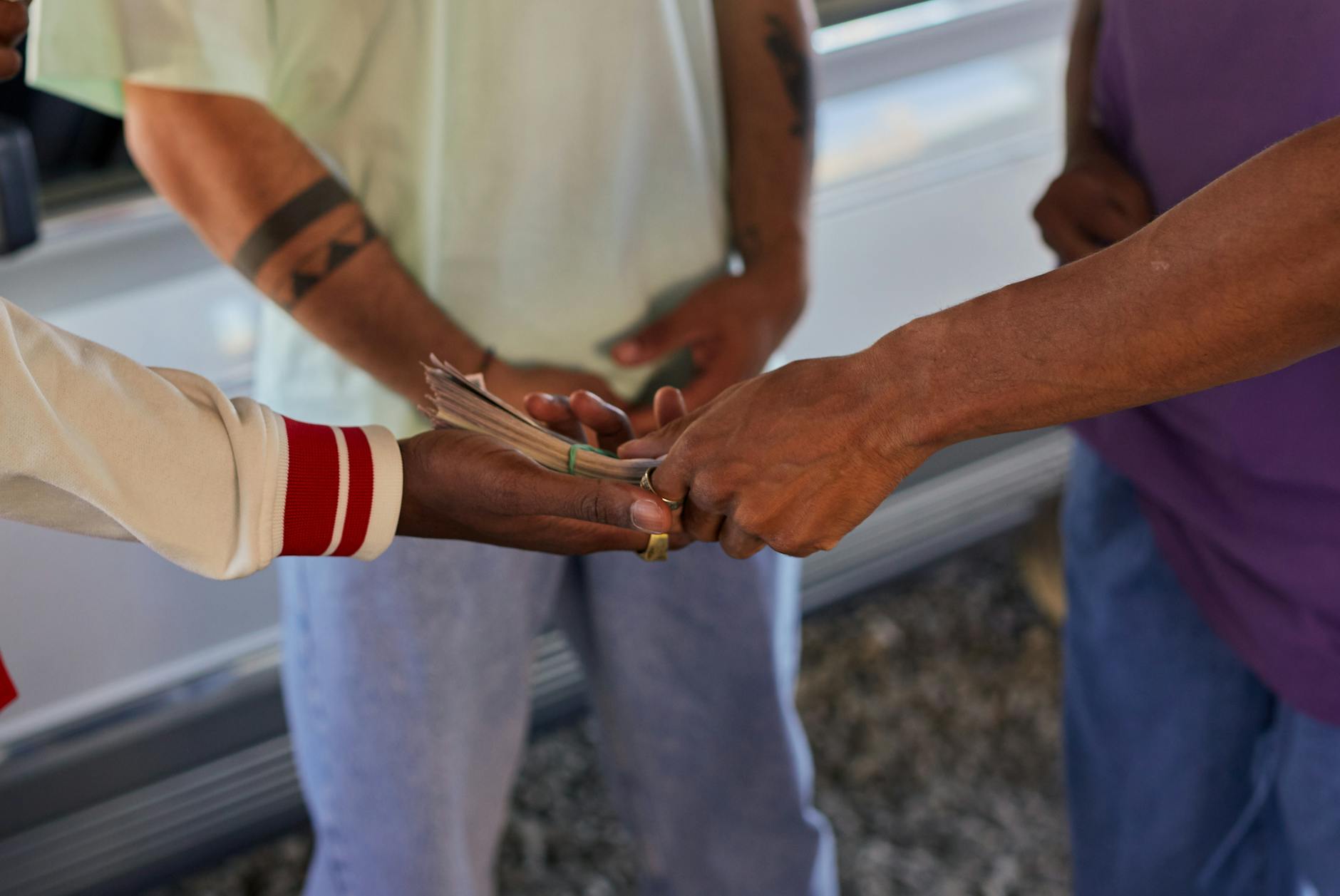
Real-World Examples of Unclaimed FTC Refunds
The Benefytt Technologies case illustrates the unclaimed refund problem perfectly. Benefytt sold fraudulent health insurance plans, leaving thousands of consumers with useless coverage. When the FTC obtained a $99.3 million settlement, the claims administrator began sending refund payments—but not all eligible consumers came forward. Some never received their notification (address changes, spam filters). Others saw a check from an unfamiliar company and discarded it.
Still others simply didn’t realize they were part of a class action and never searched for their refund. The Epic Games settlement provides another example. The company charged players for in-game purchases without proper parental consent or clear confirmation, defrauding millions of consumers—many of them minors whose parents noticed unexpected charges. The FTC recovered $72 million, but the effort to notify every victim meant working with thousands of parents across different email accounts, many of which were outdated. For this reason, a portion of the $72 million settlement remains unclaimed because parents either never received notification or didn’t connect the settlement notice to charges they’d forgotten about.
The Future of FTC Refunds and Preventing Unclaimed Money
As the FTC becomes more active in enforcement, the volume of refund programs is likely to grow. The agency has increased penalties for deceptive practices and is prioritizing consumer refunds over penalties to corporations. This means more opportunities for refunds in the future, but also a greater challenge in reaching all eligible recipients. The FTC has begun experimenting with more direct communication methods—using bank data to track consumers, conducting multi-year address searches, and issuing replacement checks more aggressively.
Technology may also help bridge the gap. Some consumer advocacy groups are building public databases of ongoing settlements, and the FTC has improved its website interface for searching active refund programs. However, the fundamental challenge remains: reaching consumers who don’t know they’re eligible or who don’t realize they’ve been wronged. Until awareness improves and the claims process becomes simpler, millions of dollars in legitimate refunds will continue to go unclaimed annually. For individual consumers, the best defense is to periodically check the FTC’s refund program database, especially if you’ve dealt with fraud or deceptive business practices in the past.
Conclusion
While the exact figure of unclaimed FTC enforcement refunds varies depending on the source and time period analyzed, the core fact is undeniable: millions of dollars remain unclaimed every year. Official FTC data shows the agency returned $337.3 million in 2024, but with participation rates around 59 percent, substantial portions of each settlement go uncashed. The refunds aren’t hidden—they exist through active settlement programs—but barriers like unfamiliar check senders, outdated contact information, and low awareness keep eligible consumers from claiming their money.
If you’ve been victimized by fraud or deceptive business practices, checking the FTC’s enforcement refund programs database should be a routine step. The money owed to you is real, but claiming it requires your action. Don’t assume a check from an unfamiliar company is junk mail, and don’t wait—claims periods do end, and unclaimed refunds can become more difficult to access over time. Take advantage of your right to a refund while the opportunity is available.