
Yes, TSA security lines at Hartsfield-Jackson Atlanta International Airport are experiencing significant delays due to a partial government shutdown that began on February 14, 2026. As of late March, wait times have improved from peak levels but remain elevated: travelers reported 25-45 minutes to pass through security checkpoints on March 25, with some clearing the main TSA checkpoint in less than 30 minutes after early-morning congestion eased. However, just days earlier on March 23-24, the situation was far worse, with TSA PreCheck lines reaching 4-5 hours and standard security lines exceeding 3 hours, with some reports documenting 9-hour waits at peak periods.
This article explains the current conditions at Atlanta’s airport, why wait times spiked so dramatically, and what travelers should know before booking flights through one of the busiest airports in the world. The primary cause of these disruptions is the combination of reduced TSA staffing due to government shutdown furloughs and an unusually high rate of employee no-shows during the crisis. On March 23, TSA experienced a 41.5% worker no-show rate at Atlanta’s airport, which dropped slightly to approximately 36% on March 24, but still represents a critical staffing shortage affecting security operations. Understanding these conditions helps travelers make informed decisions about arrival times and whether TSA PreCheck upgrades are worthwhile during crisis periods.
Table of Contents
- Is TSA Currently Busy at Hartsfield-Jackson Atlanta International Airport?
- Understanding TSA Wait Times During the Partial Government Shutdown
- Peak Wait Times and Critical Staffing Collapse on March 23-24
- Planning Your Travel: Recommended Arrival Time at Hartsfield-Jackson Atlanta
- TSA PreCheck Lines vs Standard Security Lines at Hartsfield-Jackson Atlanta
- ICE Deployment and Additional Security Response Measures
- Real-Time Wait Time Information and When Conditions May Improve
- Conclusion
Is TSA Currently Busy at Hartsfield-Jackson Atlanta International Airport?
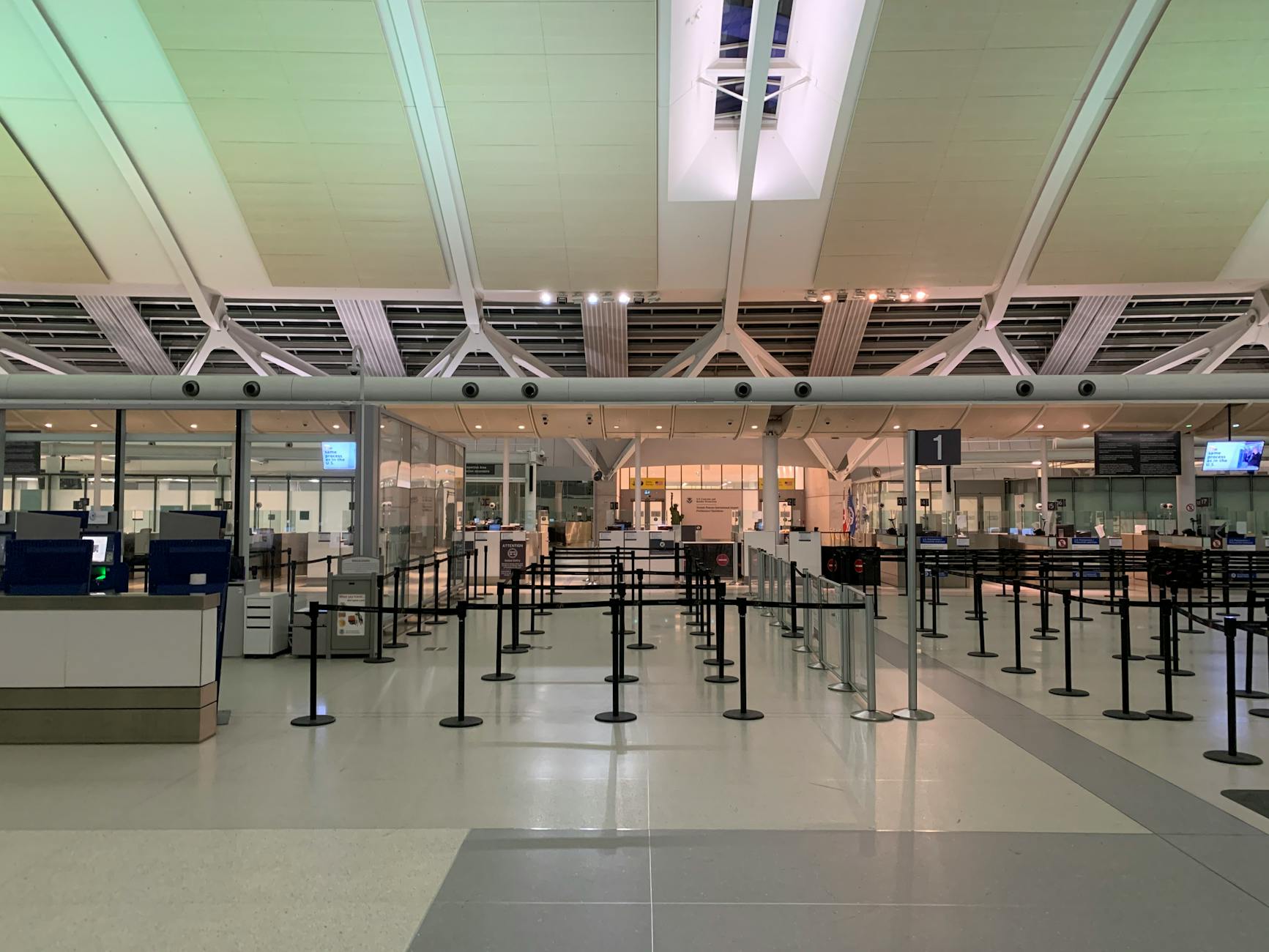
Hartsfield-Jackson Atlanta International Airport is experiencing elevated tsa wait times, though the situation has improved from the worst levels recorded on March 23-24. As of March 25, the airport saw wait times in the 25-45 minute range during much of the day, with some travelers clearing security in under 30 minutes once early-morning congestion subsided.
For context, typical pre-crisis wait times at Atlanta’s TSA checkpoints range from 10-20 minutes during standard periods and 30-45 minutes during peak travel hours, making current conditions about 1-2 times longer than normal. The improvement from peak crisis levels offers some reassurance, but travelers should not interpret current wait times as “back to normal.” One traveler’s experience on March 25 highlighted the unpredictability: after reporting less than 30 minutes to reach the main TSA checkpoint, other passengers were simultaneously experiencing extended waits at different concourse checkpoints. This inconsistency reflects the airport’s struggle to maintain consistent staffing levels across multiple security lanes and terminals.
Understanding TSA Wait Times During the Partial Government Shutdown
The spike in wait times directly correlates with the partial government shutdown that began on February 14, 2026, which disrupted TSA funding and operations. TSA workers, technically deemed “essential personnel” during shutdown periods, are required to work without pay, a situation that motivates some employees to call out of shifts rather than work unpaid. The result is historically high no-show rates that directly reduce the number of TSA officers available to screen passengers.
However, if you understand the root cause, you can better predict when conditions might improve. The government shutdown did not affect the TSA’s ability to hire replacement workers—the core issue is the motivational collapse among existing staff forced to work without compensation. Additionally, the shutdown’s resolution depends on federal budget negotiations, not airport-specific factors, meaning wait times could improve suddenly across all airports if funding is restored. This differs from seasonal travel surges or permanent staffing shortages, which would require months to resolve.
Peak Wait Times and Critical Staffing Collapse on March 23-24
The worst conditions recorded at Hartsfield-Jackson Atlanta occurred on March 23-24, when the airport hit crisis levels. On Sunday, March 23, TSA PreCheck lines—normally the faster security track for enrolled passengers—reached 4-5 hours. standard security lines exceeded 3 hours, and some reports documented individual waits stretching to 9 hours at absolute peak times.
The following day on March 24, staff callout rates remained near critical levels at approximately 36%, though wait times showed some improvement as the airport adapted operational procedures. The data reveals a specific pattern: March 23 saw the worst callout rate at 41.5%, directly corresponding to the worst wait times. This 41.5% figure means that nearly 2 out of every 5 TSA officers scheduled to work did not show up for their shifts that day, a staffing catastrophe that forced remaining staff to work longer shifts and reduced the number of active security lanes. By comparison, the 37.4% average callout rate across March indicates the airport experienced sustained crisis conditions, not just a single bad day.

Planning Your Travel: Recommended Arrival Time at Hartsfield-Jackson Atlanta
Given current conditions, the airport and TSA recommend arriving 3-4 hours before your scheduled flight departure, compared to the standard pre-crisis recommendation of 2-3 hours. This additional hour of buffer accounts for the possibility of experiencing wait times in the 25-45 minute range at security, plus any delays caused by reduced staffing affecting other airport services. However, if you’re traveling at an off-peak time (early morning before 6 a.m.
or late evening after 8 p.m.), you may experience shorter wait times closer to standard levels, potentially allowing you to arrive slightly earlier. The trade-off is that off-peak travel often means flights at inconvenient times or higher ticket prices, so the convenience savings may not justify the cost difference. TSA PreCheck holders should note that even their expedited lanes reached 4-5 hours at peak times during this crisis, so membership alone cannot guarantee quick security passage during shutdown conditions.
TSA PreCheck Lines vs Standard Security Lines at Hartsfield-Jackson Atlanta
TSA PreCheck is normally a valuable upgrade at Hartsfield-Jackson, offering shorter wait times and a more streamlined security process. However, the crisis conditions exposed a vulnerability in the system: when TSA staffing collapses across the airport, even PreCheck lanes cannot operate efficiently. During March 23, when overall staffing reached crisis levels, TSA PreCheck lines still reached 4-5 hours—meaning the expedited service became an expensive ($78-85 per five years) non-benefit during peak shutdown periods.
Standard security lines experienced even worse conditions, exceeding 3 hours and reaching 9 hours at absolute peak times. The limitation of TSA PreCheck during shutdown conditions is that it relies on the same underlying staffing pool as standard security, so when that pool is decimated by no-shows, PreCheck’s advantages diminish. If you’re planning to visit Atlanta during ongoing shutdown uncertainty, PreCheck remains beneficial for typical conditions (saving 10-15 minutes) but should not be considered a crisis-proof solution for guaranteed quick security passage.

ICE Deployment and Additional Security Response Measures
In response to overwhelming wait times, ICE agents were deployed to Hartsfield-Jackson on March 23 to assist with security line management. This represents an unusual escalation, with federal immigration agents helping to organize passenger flow and support TSA operations during the staffing crisis.
The deployment offers a temporary operational relief but does not solve the underlying problem of missing TSA personnel. The real-world impact of ICE deployment at Atlanta was visible within hours of their arrival on March 23, with some reports indicating minor improvement in line organization and passenger flow by the following day. However, wait times remained elevated even with additional federal personnel present, illustrating that supplemental staff cannot fully replace trained TSA security officers who perform specialized duties like baggage screening and metal detection.
Real-Time Wait Time Information and When Conditions May Improve
Hartsfield-Jackson Atlanta International Airport provides real-time TSA wait time information on their passenger security page at atl.com/times, where travelers can check current conditions before arriving at the airport. This real-time data allows you to make informed decisions about whether to travel during peak hours or adjust your arrival time based on current line lengths rather than relying solely on historical averages. The path to improvement depends entirely on resolution of the federal government shutdown.
Unlike seasonal staffing challenges that require months of hiring and training, or operational changes that require infrastructure improvements, this crisis resolves immediately once federal funding is restored and TSA workers can resume normal-pay status. The sudden resolution to shutdown conditions at other major airports like Atlanta suggests that once funding issues are resolved, wait times can normalize within days. Until then, monitoring real-time wait times and arriving with a 3-4 hour buffer remains the safest approach for Atlanta air travelers.
Conclusion
Hartsfield-Jackson Atlanta International Airport is currently experiencing elevated TSA wait times ranging from 25-45 minutes as of late March 2026, down from crisis peaks of 3-9 hours recorded just days earlier on March 23-24. The underlying cause is the partial government shutdown that began February 14, which prompted TSA workers to call out at historically high rates (41.5% on March 23), directly reducing the number of available security personnel. Even TSA PreCheck lines, normally expedited, reached 4-5 hours during peak crisis periods, demonstrating that this situation transcends normal service capacity.
Travelers planning flights through Atlanta should arrive 3-4 hours before departure and monitor real-time wait times at atl.com/times to make informed decisions. The positive outlook is that this crisis, unlike permanent staffing shortages or infrastructure limitations, resolves immediately upon government shutdown resolution. For now, the combination of advance arrival, off-peak travel if possible, and realistic expectations about PreCheck limitations will help you navigate Atlanta’s current security environment.